
Malcolm X
Defender of Human Rights
Early Life
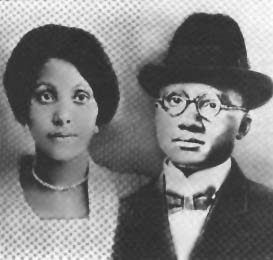
Malcolm X was born Malcolm Little on May 19, 1925 in Omaha, Nebraska. His father Earl Little was a itnerant baptist minister and a vehement advocate of Marcus Garvey. The local Ku Klux Klan in Omaha frequently harassed Malcolm's family because of his fathers sermons that was "stirring up the good'ole black folks". Consequently, the Little family moved to Lansing, Michighan this is where Malcolm grew up...
Early Life
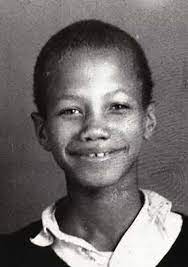
Malcolm X was born Malcolm Little on May 19, 1925, in Omaha, Nebraska. His father Earl Little was an itinerant baptist minister and a vehement advocate of Marcus Garvey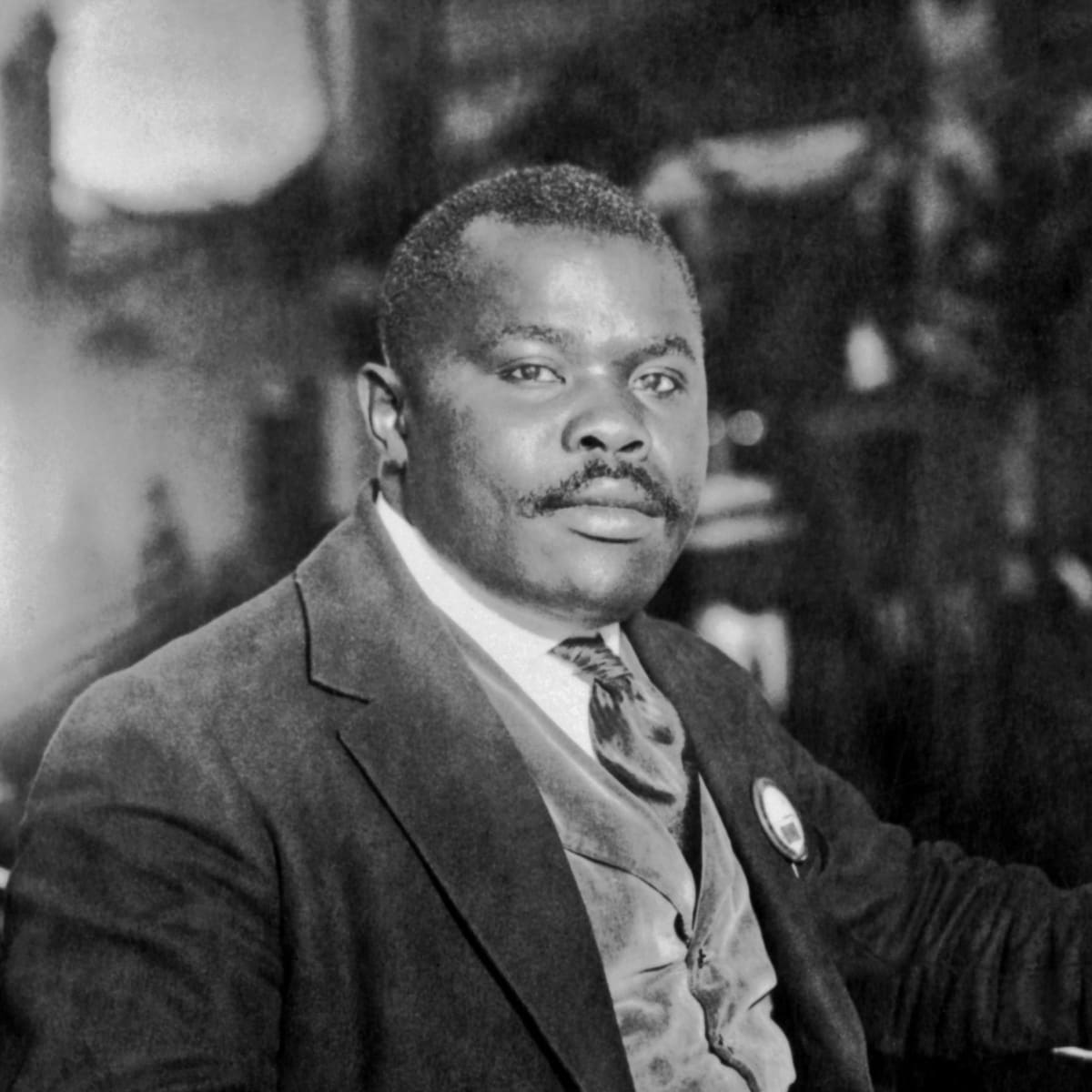 . The local Ku Klux Klan in Omaha frequently harassed Malcolm's family because of his father's preaching that was "stirring up the good ole black folks" in their estimation. Consequently, the Little family moved to Lansing, Michigan this is where Malcolm grew up. Although the Little family relocated to Michigan, Earl Little's sermons that were disseminated to local African American churches did not cease. The contents in these sermons integrated Marcus Garvey's Pan-African/racial pride ideologies and rhetoric. Inevitably, the Little family was again subjected to harassment this time by the local white supremacist group called the Black Legionaries. In 1931, Malcolm's father was brutally murdered by the Black Legionaries. Authorities asserted that his death was an accident. The widowed Mrs.Little was denied the benefits that were included in Earl Little's insurance policy.
Following the untimely death of her husband, Louise Little tried desperately to provide for her seven children but that effort would ultimately take a significant toll on her. Louise worked a variety of menial jobs, however when it was revealed who she widowed she would be terminated almost immediately. From a financial standpoint, the Little family at this point was impoverished, eventually, they came to rely upon state welfare. Moreover, state agency officers around this time period would frequently visit the Little household, constantly asserting Louise's incompetence in regard to taking care of her children. Inevitably, Louise suffered a complete mental breakdown and was committed to Kalamazoo State Hospital. Malcolm along with his siblings became wards of the state. Subsequently, they were separated and sent to foster homes.
Malcolm attended West Junior High School in Lansing and then Mason High School in Mason, Michigan, but left high school in 1941, before graduating. While in school Malcolm excelled in his academics, however, what compelled him to drop out of school was a statement a white teacher made whenever Malcolm relayed to him his aspirations to become a lawyer. Stating that Malcolm's aspirations were "no realistic goal for a nigger". Consequently, Malcolm began to isolate himself from white people and longed to be amongst his own kind. This sentiment compelled him to reach out to his half-sister Ella Little-Collins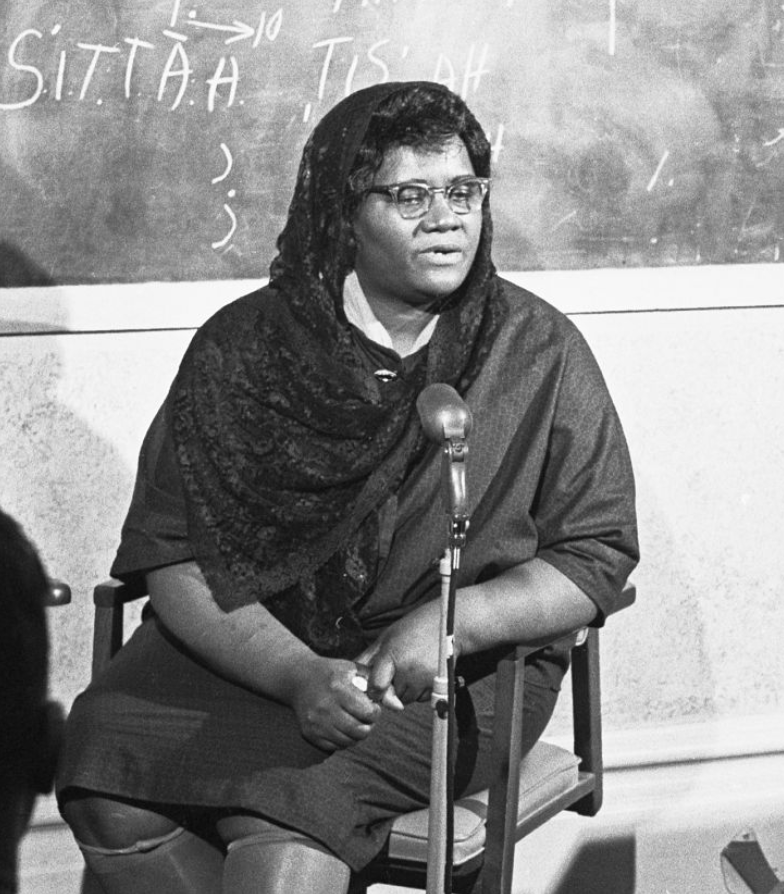 . Ella lived in Roxbury, a largely African American neighborhood of Boston and Malcolm longed to move in and live with her.
Boston
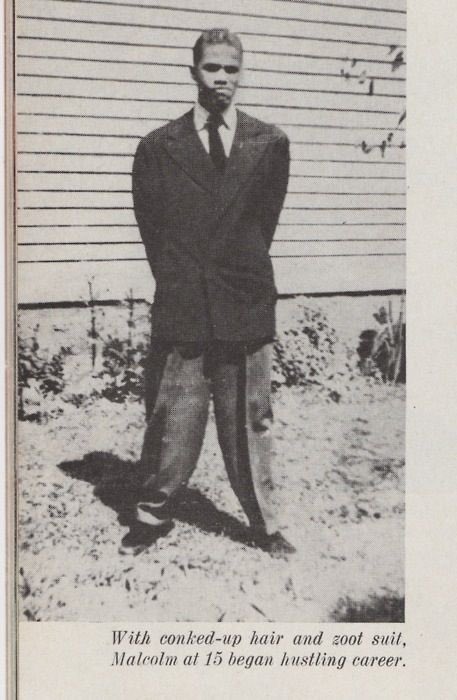
While in Boston, Malcolm held a variety of jobs initially working as a shoeshine boy at the Roseland State Ballroom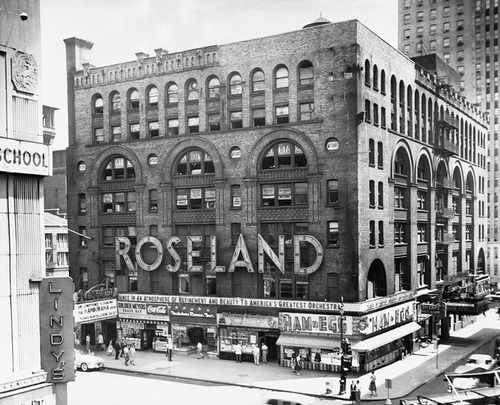 . The Roseland State Ballroom which was in downtown Boston hosted a myriad of popular musical acts that performed this had a profound effect on Malcolm who was enamored by the performances. After incessant coaxing by Ella, Malcolm worked at a Townsend drugstore that was closer to home (Roxbury). The conversations amongst the African American Bostonians revolved around the alluring glamour of New York's Harlem. Fascinated and enticed, Malcolm eventually moved to New York City's Harlem neighborhood in 1943, where he found employment on the New Haven Railroad while simultaneously engaging in illicit hustles such as drug dealing, gambling, racketeering, robbery, and pimping.
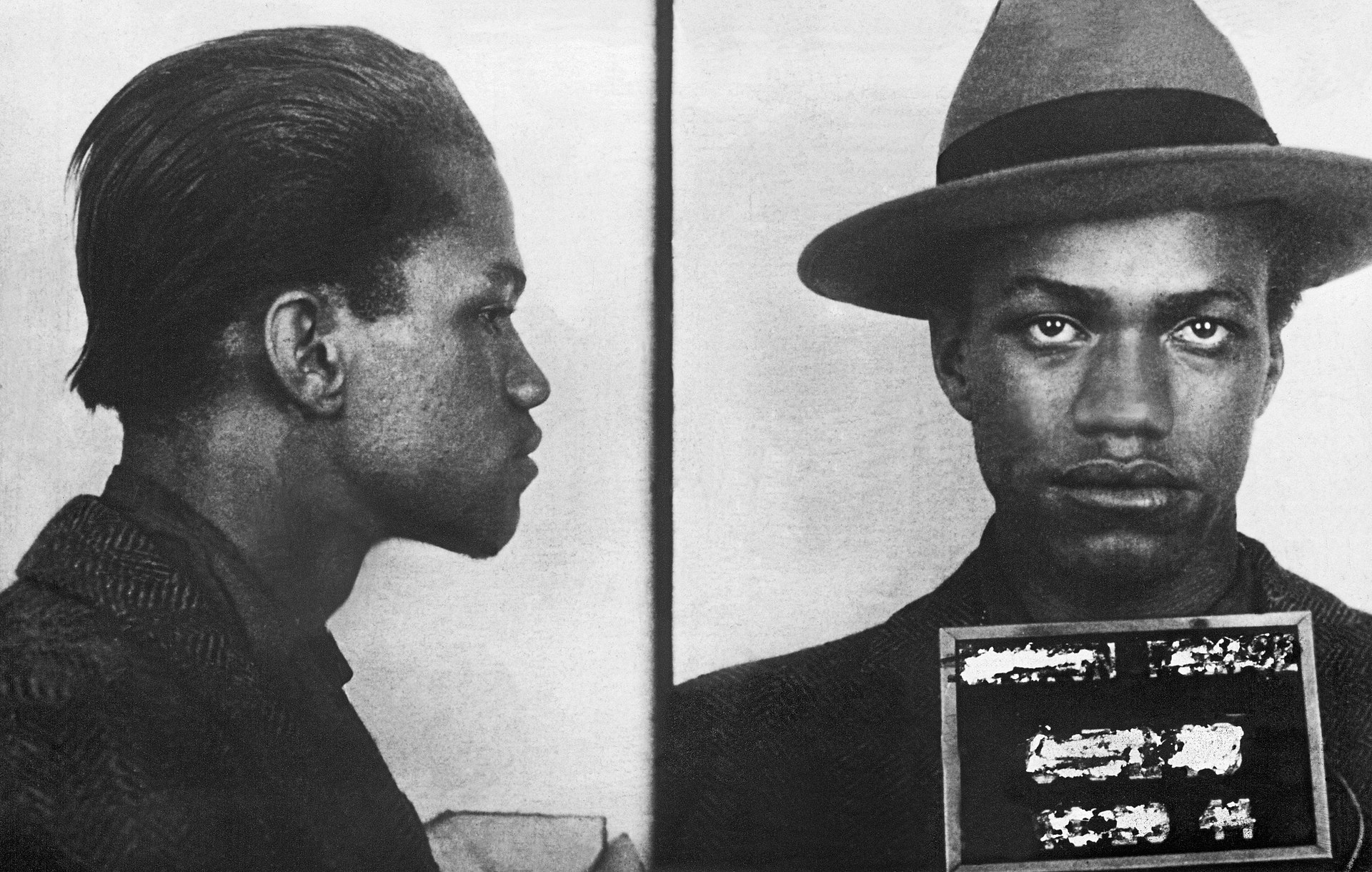
In late 1945, Malcolm returned to Boston perpetuating his illicit hustles with a crime syndicate of four other accomplices participating in burglaries aimed at wealthy white homes. In 1946, he was arrested while picking up a stolen watch he had left at a shop for repairs, and in February began serving an eight-to-ten-year sentence at Charlestown State Prison for larceny and breaking and entering. Two years later, Malcolm was transferred to Norfolk Prison Colony.
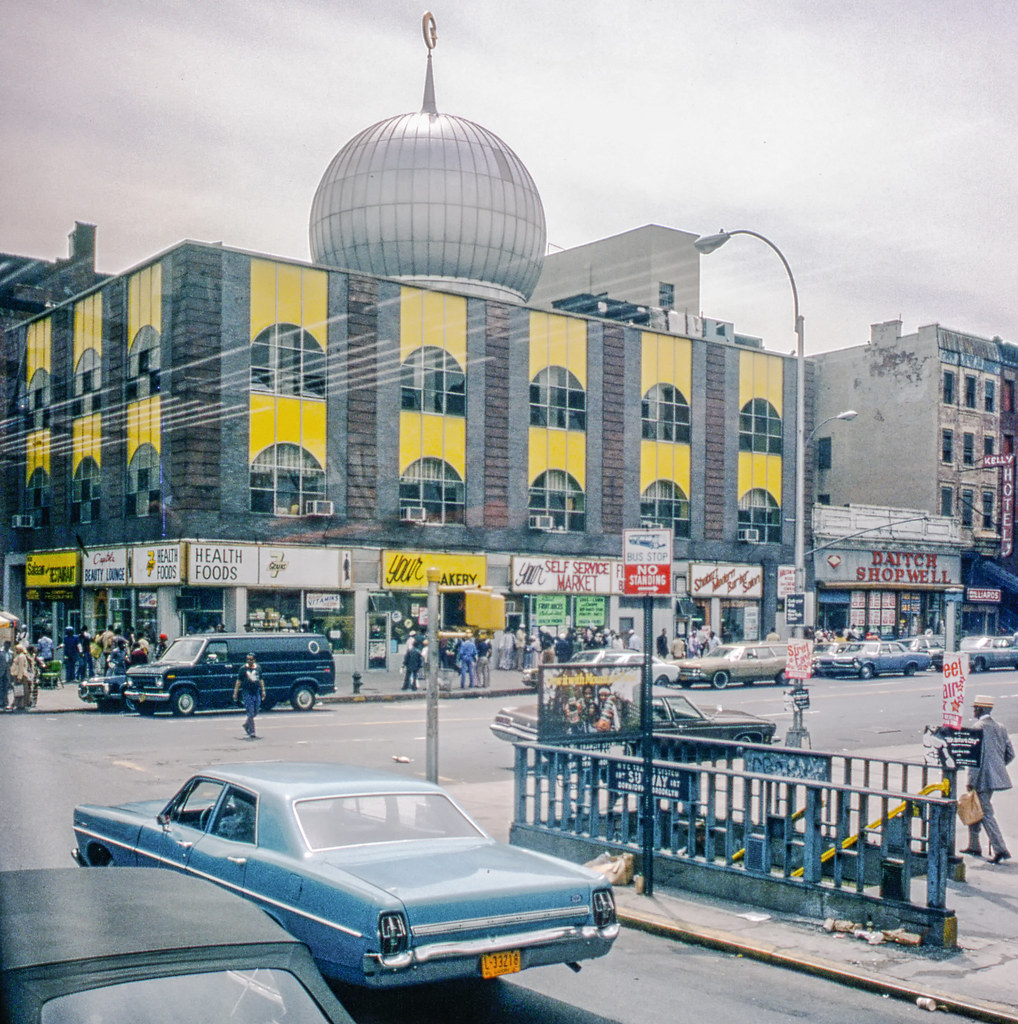
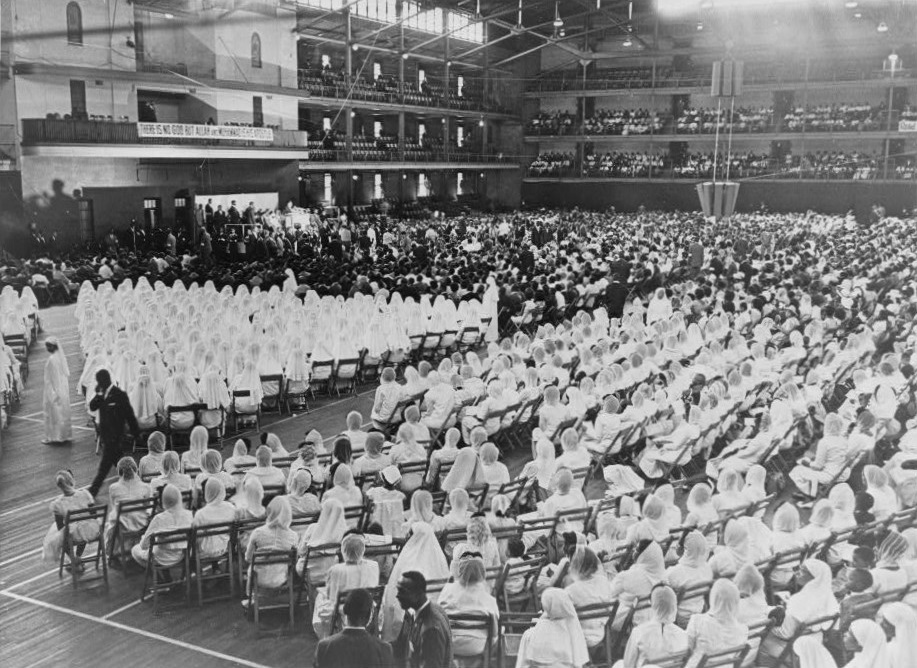
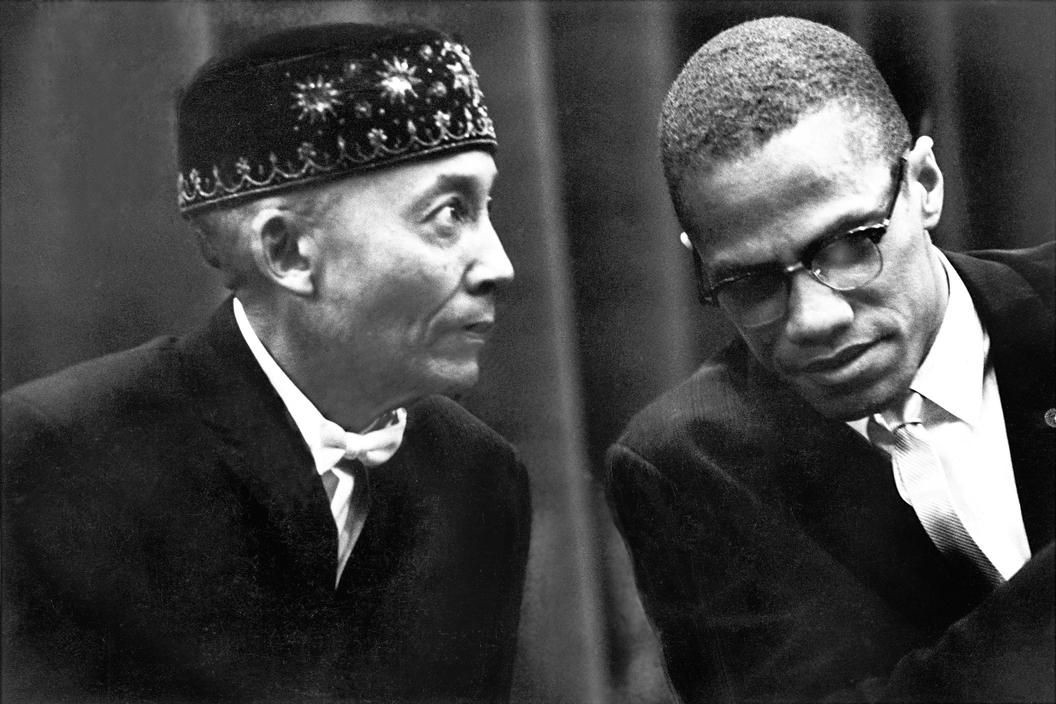
Nation of Islam
Malcolm had become accustomed to the unscrupulous underworld of the hustler, which consisted of various forms of immorality. In his current predicament being incarcerated, Malcolm was in an unfamiliar environment. No longer able to partake in any of his illicit hustles Malcolm was relegated to an idle state. However, there was one prisoner in particular who fascinated Malcolm. John Bembry "Bimbi" was a fellow convict, who through sheer effort and commitment had reformed himself into a literate and articulate individual. Malcolms interactions and conversations with Bimbi had a profound effect on him. Malcolm would later describe him as "the first man I had ever seen command total respect ... with words". This was the catalyst that set Malcolm on a road of radical reformation.
Prison
Malcolm had become accustomed to the unscrupulous underworld of the hustler, which consisted of various forms of immorality. In his current predicament being incarcerated, Malcolm was in an unfamiliar environment. No longer able to partake in any of his illicit hustles Malcolm was relegated to an idle state. However, there was one prisoner in particular who fascinated Malcolm. John Bembry(Bimbi)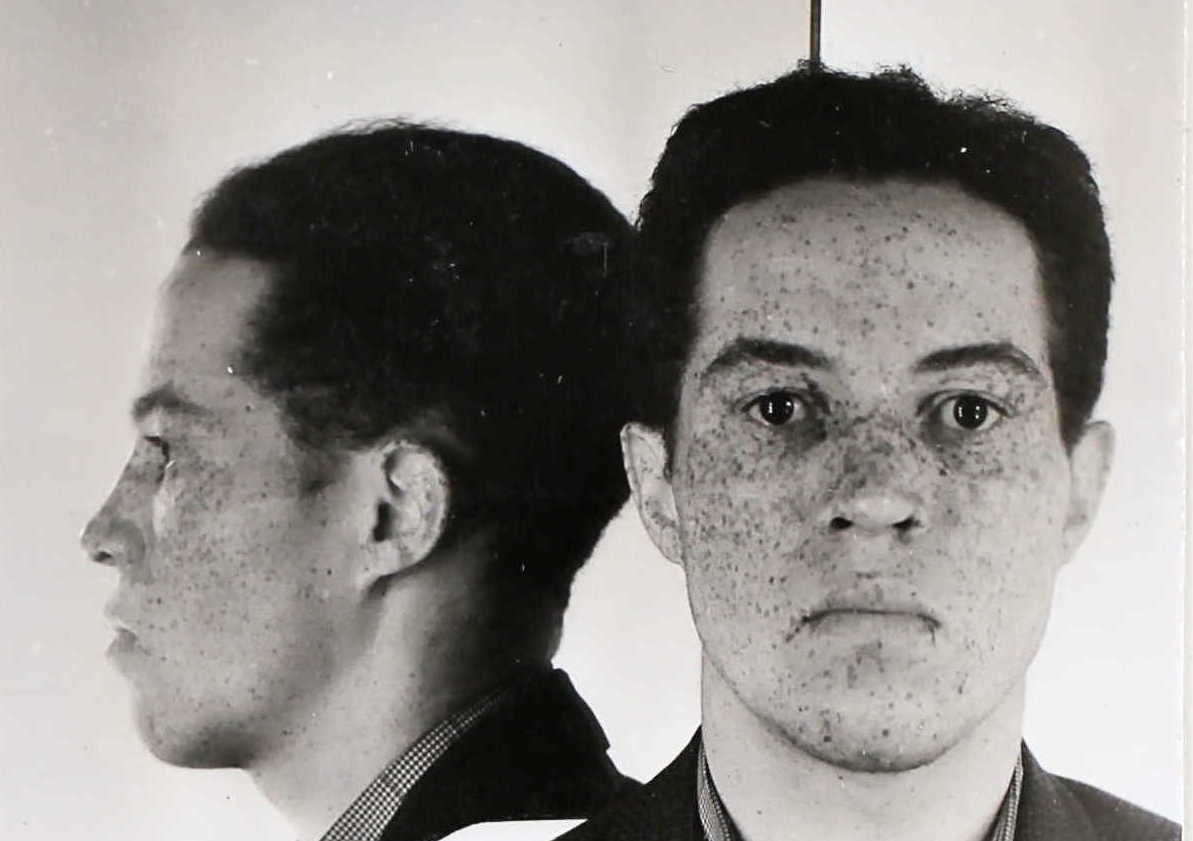 was a fellow convict, who through sheer effort and commitment had reformed himself into a literate and articulate individual. Malcolms interactions and conversations with Bimbi had a profound effect on him. Malcolm would later describe him as: "the first man I had ever seen command total respect ... with words". This was the catalyst that set Malcolm on a road of radical reformation and transformation. Under Bimbi's tutelage and influence Malcolm gained an insatiable desire for reading and learning. Furthermore, to expound on his new desire to learn Malcolm started to take advantage of the prisons correspondence courses and the library. As a result of his previous life as a hustler Malcolm had abandoned his scholarly ways, however his studies in prison proved useful because after some time he began to regain proper grammar etiquette and his vocabulary began to expand. Addtionally, Malcolm participated in the prison debates and developed a passion for it. Thoroghly researching points that would espouse his sides argument and also ruminating about the opposing sides retorts.
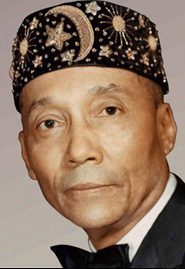
Malcolm's sibilings would occasionally send him letters which consisted of their new found advocacy for a relatively new movement they had joined. The Nation of Islam, whose primary message was one of Black self-reliance and, ultimately, the return of the African diaspora to Africa, where they would be free from white American and European domination. Initially, Malcolm was vaguely intrigued however a letter from his younger brother Reginald that was sent in 1948 would change that sentiment. The letter simply read: "Malcolm, don't eat any more pork and don't smoke any more cigarettes. I'll show you how to get out of prison." Subsquently, Malcolm stopped smoking and eating pork presuming that his younger brother had some sort of hype that would vindicate him out of prison.
During his visit Reginald elucidated the message that he had sent to Malcolm via letter, he (Reginald) went on to describe the Nation's teachings, which included the belief that all white people were inherently evil and were "devils." After retrospectively looking back on his own life, Malcolm deduced that this belief was valid. Furthermore, Malcolm concluded that all the relationships he previously had with white people had been marred with dishonesty, injustice, greed, and hatred. Because of his hostility towards religion Malcolm had earned the alias "Satan" while in prison, however he became receptive to the Nation's teachings. In late 1948, Malcolm sent a handwritten letter to Elijah Muhammad the leader of the Nation of Islam. Muhammad replied exhorting him to renounce the actions of his previous life and humbly ask for forgiveness of his immoral ways and to vow never to behave in that destructive behavior again. Though he later recalled the inner struggle he had bending his knees to pray, Malcolm soon became a member of the Nation of Islam, maintaining regular communication with Muhammad. It is at this point that Malcolm began siging his name as "Malcolm X". Muhammad instructed his followers to leave their family names behind when they joined the Nation and use "X" instead. When the time was right, after they had proven their sincerity, he said, he would reveal the Muslim's "original name".
Early Ministry
In spring of 1952, Malcolm was granted parole subsequently moving in with his oldest brother Wilfred and his family in Detroit. It is here where Malcolm began to attend the regular meetings of the Nation's Detroit Temple Number One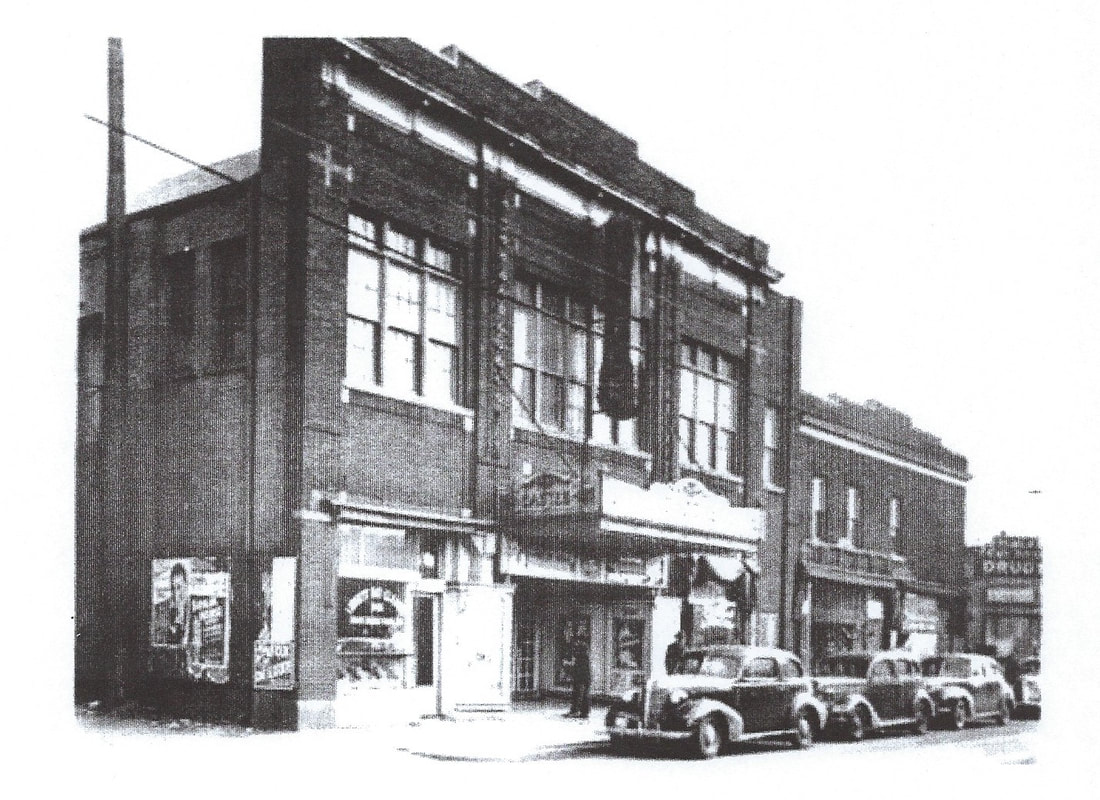 , which was established in 1931 by Mr. Wallace D. Fard
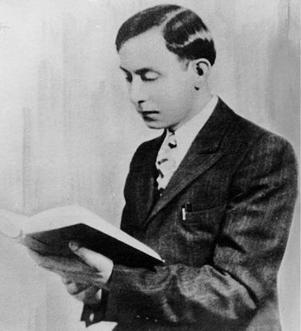 . This setting was conducive to the expansion and broadening of Malcolms knowledge in NOI ideologies and philosophy. Malcolm was astounded by the way Nation members conducted themselves. Members meticulously adhered to the spiritual and moral standard established by the Nation. Additionally, the warm and genuine environment that was common place at NOI meetings had a profound effect on Malcolm stating: "I had never dreamed of anything like that atmosphere among black people who had learned to be proud they were black, who had learned to love other black people instead of being jealous and suspicious".
On August 31, 1952 in a motor caravan of other Detroit Temple Number One Muslims, Malcolm would finally get a chance to meet Elijah Muhammad. Detroit Temple Number One along with the other temples nationwide made their way to Chicago's Temple Number Two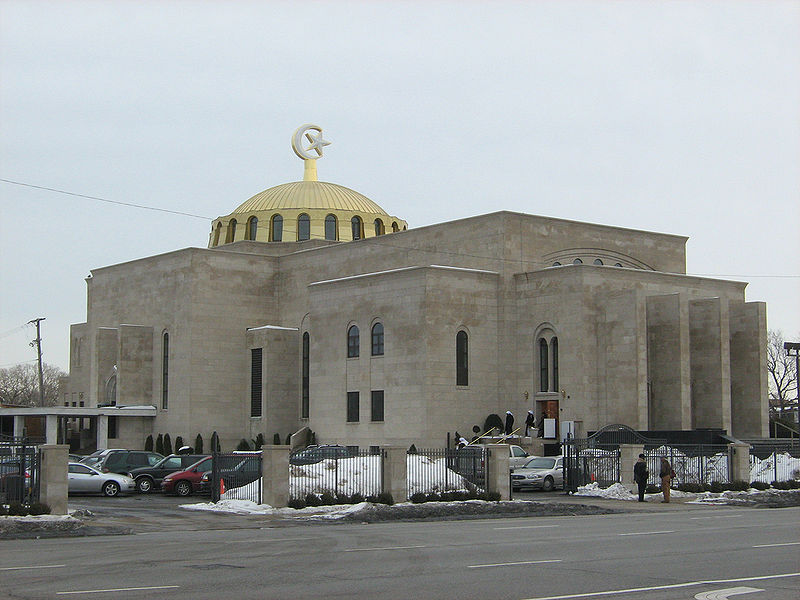 to hear Elijah Muhammad speak at a Muslim rally. Following this rally Malcolm's resolve to dedicate himself to growth and success of the NOI was affirmed. Conversely, Malcolm was baffled at the low attendance numbers at the regular weekly NOI meetings believing that each meeting should have been filled to capacity. This belief along with advice from Elijah Muhammad is what compelled Malcolm along with some other NOI members to go on a rampant "fishing" campaign, which was essentially "fishing" or looking for potential NOI members in the streets of Detroit.
In his previous life Malcolm was immersed into the street life; furthermore, he was fully cognizant of street code and lingo. This reality abetted him in winning converts and membership in Detroit's Temple Number One steadily increased. In June 1953 (During this year the FBI began surveillance of Malcolm, turning it's attention his possible communist associations to his rapid ascent in the Nation of Islam.), Malcolm was named assistant minister of the Nation's Temple Number One in Detroit. Later that year he established Boston's Temple Number 11; in March 1954, he expanded Temple Number 12 in Philadelphia; and two months later he was selected to lead Temple Number 7 in Harlem, where he rapidly expanded its membership. In 1955, Malcolm perpetuated his successful recruitment on behalf of the Nation; additionally, establishing temples Springfield, Massachusetts (Number 13); Hartford, Connecticut (Number 14); and Atlanta (Number 15). Hundreds of African Americans were joining the Nation of Islam every month.
Marriage and Family
In 1955, Betty Sanders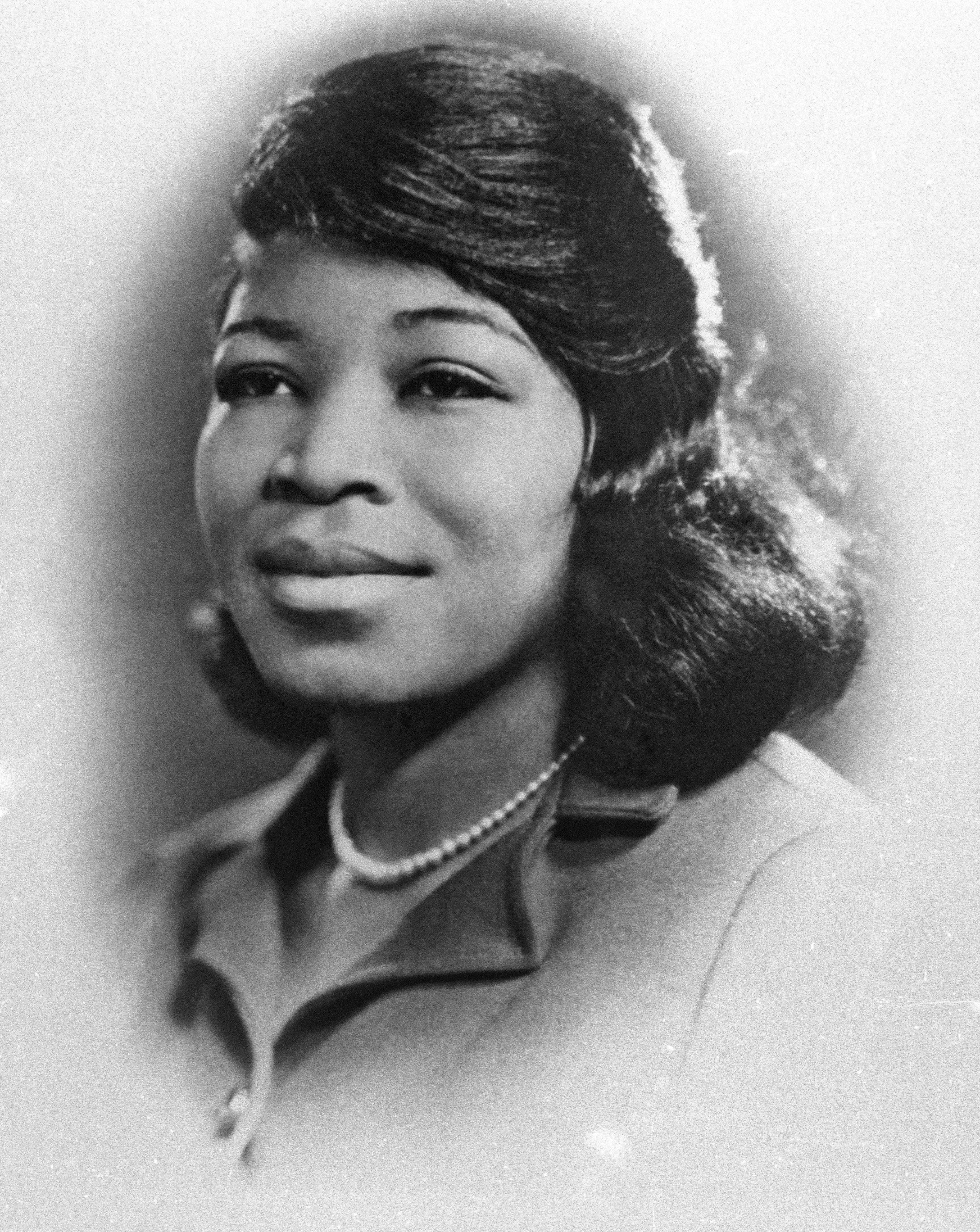 met Malcolm X following one of his lectures, then again at a dinner party; soon she was regularly attending his lectures. In 1956, she joined the Nation of Islam, changing her name to Betty X. One on one dates were taboo within the Nation's teachings; consequently, the couple courted at social events with dozens or hundreds of others, and Malcolm X made a point of inviting her on the frequent group visits he led to New York City's museums and libraries.
Malcolm X proposed to Betty during a telephone call from Detroit in January 1958, and they married two days later. They went on to have six daugthers: Attallah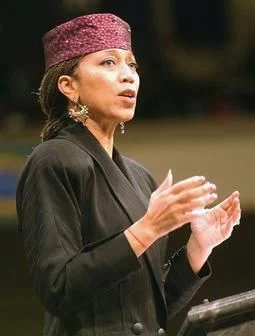 (b. 1958; Arabic for "gift of God"; perhaps named after Attila the Hun); Qubilah (b. 1960, named after Kublai Khan); Ilyasah
 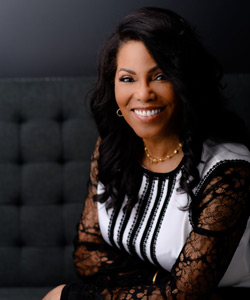 (b. 1962, named after Elijah Muhammad); Gamilah Lumumba (b. 1964, named after Gamal Abdel Nasser and Patrice Lumumba); and twins Malikah (1965–2021) and Malaak (b. 1965 after their father's death, and named in his honor).
Increasing Prominence
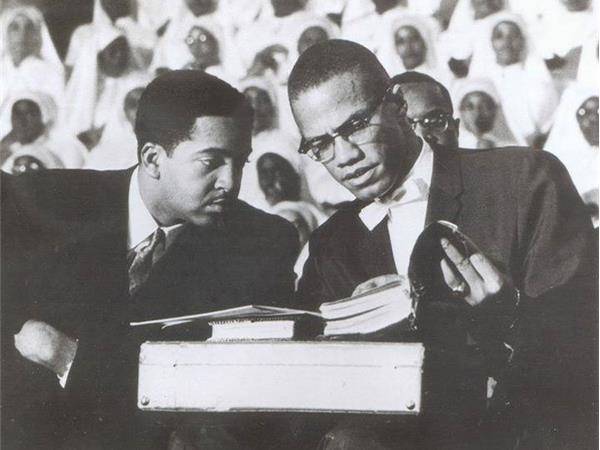
The NOI had a membership estimate of about 400 in 1952; however, by 1960 membership had grown significantly to about 40,000. The Nation had expanded notably with various Temples across the nation; furthermore, the meteoric rise of the Nation was due in part to its fiery new minister. Malcolm X, was an impeccable orator who delivered sermons articulately and eloquently; moreover, his courage to unapologetically speak the truth in regards to the African American's plight in America is what enticed many new admirers. His comments on various issues and events revolving around the social, political, economical, and civil climate in America was highly coveted by various media outlets. Consequently, his comments were being widely reported in print, on radio, and on television, and he was featured in a 1959 New York City television broadcast about the Nation of Islam, The Hate That Hate Produced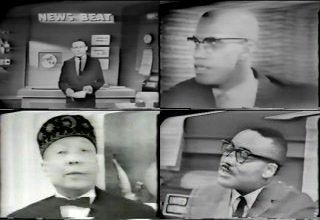 . This film attempted to stigmatize the NOI as being an organization of "hate-teachers", "violence-seekers", "black racists", "ant-christian", and "possibly communist-inspired". The Hate that hate produced was repelete with "shocker" images, strong-looking, set-faced minsters of the Nation is what the film was composed of with the intent to invoke fear and anger amongst its viewers. Prior to the airing of this film only a small minority of people nationwide were cognizant of the NOI; however, following the airing of this film the NOI was promulgated globally.
As a result of this new found cognizance of the NOI, Malcolm was invited to speak and debate at universities and panel discussions. In both university and debate show settings the Nation ideologies and rhetoric would be assailed; however, Malcolm never succumbed to the attacks and protected the integrity of the Nation while relaying the brutal reality of the African American plight. It is during this prominence the NAACP  and other civil rights organizations began assailing and denouncing Malcolm and the Nation of Islam as irresponsible extremists whose views did not represent the common interests of African Americans. Malcolm X was equally critical of the civil rights movement. Conversely, he referred to African American progression organizations as "Black bodies with a white head". Essentially saying that the composition of these organizations externally would put black individuals in the public eye so the African American masses could see they were being represented; however, internally white people were really pulling the strings steering the organization where they wanted it to go.
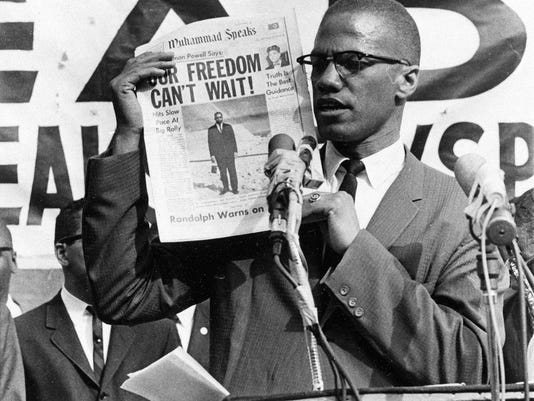
While the civil rights movement fought against racial segregation, Malcolm X advocated the complete separation of African Americans from whites. He proposed that African Americans should return to Africa and that, in the interim, a separate country for Black people in America should be created. He rejected the civil rights movement's strategy of nonviolence, arguing that Black people should defend and advance themselves "by any means necessary". His speeches had a powerful effect on his audiences, who were generally African Americans in northern and western cities. Many of them—tired of being told to wait for freedom, justice, equality and respect —felt that he articulated their complaints better than did the civil rights movement.
Disillusionment & Depature
Between the early 1950s and 1960s, the NOI experienced an immense surge in membership. Estimates in membership growth range from 500 to 25,000 by one estimate; from 1,200 to 50,000 or 75,000 by another. Malcolm X was an integral component in the exponential increase of the Nation's membership, his phenomenal oratory skill and charisma allured the masses. From an external standpoint the Nation seemed to be thriving, however, internally there was contention brewing. Between 1962 and 1963, some events compelled Malcolm to begin reevaluating his relationship with the Nation and Elijah Muhammad.
Disillusionment & Depature
Lack of NOI response to LAPD Violence
In 1961, hostile confrontations transpired between Nation of Islam members and the police force in South Central Los Angeles. Consequently, several NOI members were arrested. Despite the Muslims eventually being exonerated, tensions had been raised. Just after midnight on April 27, 1962, two LAPD officers, unprovoked, shoved and beat several Muslims outside Temple Number 27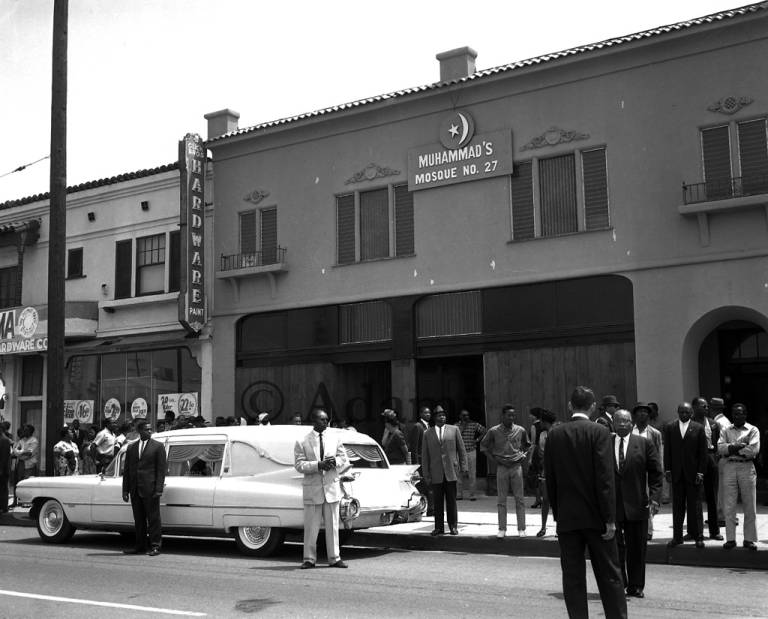 . Subsequently, a crowd of livid muslims emerged from the mosque and the police attempted to intimidate them.
Violence ensued, more than 70 backup officers arrived who then raided the mosque and indiscriminately beat Nation of Islam members. Police officers proceeded to shoot seven Muslims, which included William X Rogers who was shot in the back and paralyzed for life and Ronald Stokes, a Korean War veteran, who was shot from behind while raising his hands over his head to surrender, killing him. A number of Muslims were indicted after the event, but no charges were laid against the police. The coroner ruled that Stokes's killing was justified. Malcolm in response to this event was indignant and had a vindictive sentiment; he felt the desecration of the mosque and unprovoked physical assualt at the hand of police warranted a militant response. Malcolm solicited Elijah Muhammad's consent but was denied; completely astounding him. Malcolm X was again denied by Elijah Muhammad when he suggested that the Nation of Islam begin to work with civil rights organizations, local Black politicians, and religious groups.
Sexual misbehavior by Elijah Muhammad
Rumors began to permeate throughout the Nation that Elijah Muhammad (who was seen as the epitome of moral impeccability) had participated in extramarital affairs with Nation secretaries—which would constitute a serious violation of Nation teachings. Initially, Malcolm regarded the rumors as an attempt to disparage Muhammad; however, his perspective changed after he spoke with Wallace Muhammad (Elijah Muhammad's Son) and with the women making the accusations. Elijah Muhammad would later affirm these rumors in a private dialouge with Malcolm, justifying his actions as the fulfillment of biblical prophecy.
Remarks on Kennedy assassination
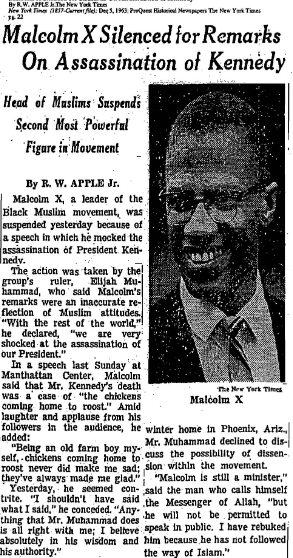
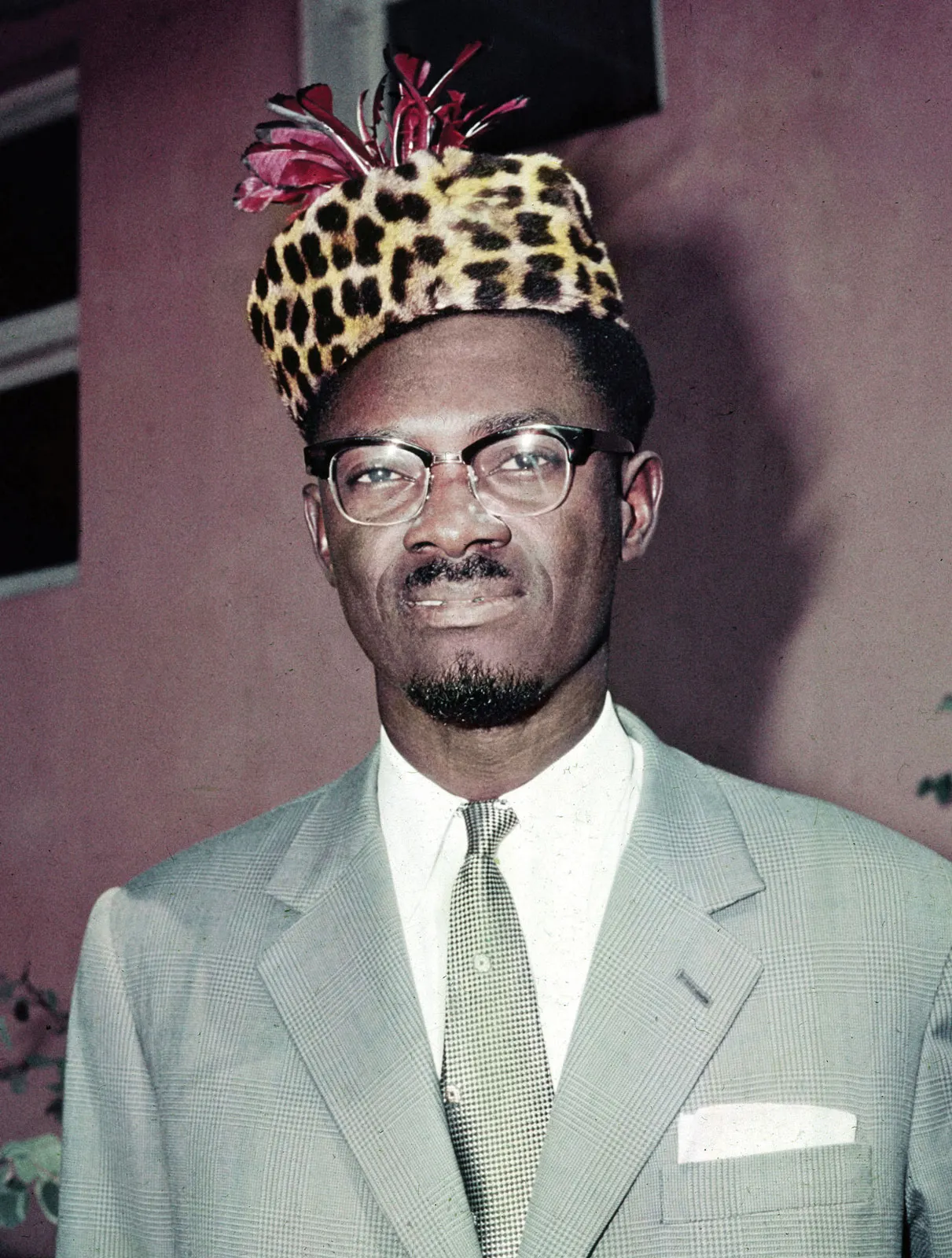
On December 1, 1963, when asked to comment on the assassination of John F. Kennedy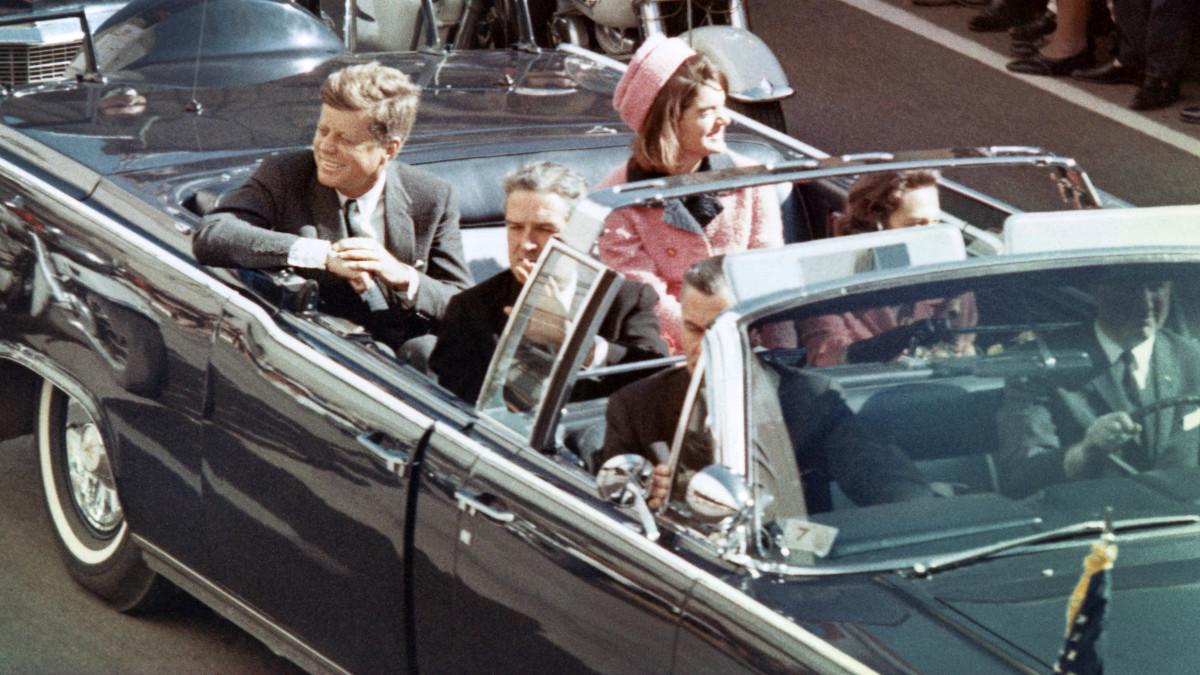 , Malcolm X said that it was a case of "chickens coming home to roost." He added that "chickens coming home to roost never did make me sad; they've always made me glad." Furhter critizing the fallen president, Malcolm cited the murders of Patrice Lumumba
 , Congo leader, of Medgar Evers
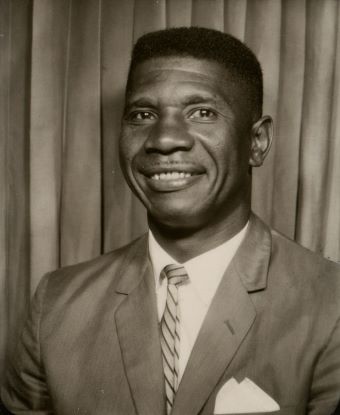 , civil rights leader, and of the Negro girls bombed earlier this year in a Birmingham church
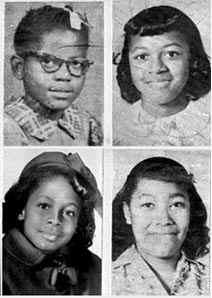 . These, he said, were instances of other "chickens coming home to roost". The remarks sparked widespread public hysteria and outcry. The Nation of Islam, which had sent a message of condolence to the Kennedy family and ordered its ministers not to comment on the assassination, publicly reprimanding Malcolm. Subsquently, he was prohibited from public speaking for 90 days in his temple or through media platforms.
Media attention to Malcolm X over Muhammad
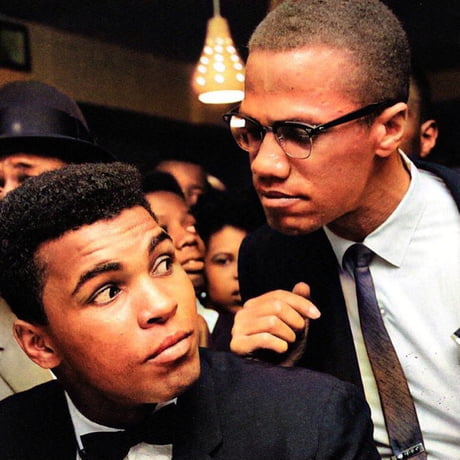
Due to his occasional appearances on nationally televised discussion panels and his participation in various debates at universities, Malcolm X was becoming a prominent figure in the civil rights movement. Becoming seen by many as the face of the Nation of Islam. Consequently, sentiments of envy began to form among the other ministers within the Nation; some even asserted that Malcolm planned to usurp authority from Elijah Muhammad in an attempt to become the Nation's leader.
Departure
On March 8, 1964, Malcolm X promulgated his break from the Nation of Islam. Although he was still a Muslim, he felt that the Nation had "gone as far as it can" because of its rigid teachings. He said he was planning to organize a Black nationalist organization to "heighten the political consciousness" of African Americans. He also expressed a desire to work with other civil rights leaders, saying that Elijah Muhammad had prevented him from doing so in the past.
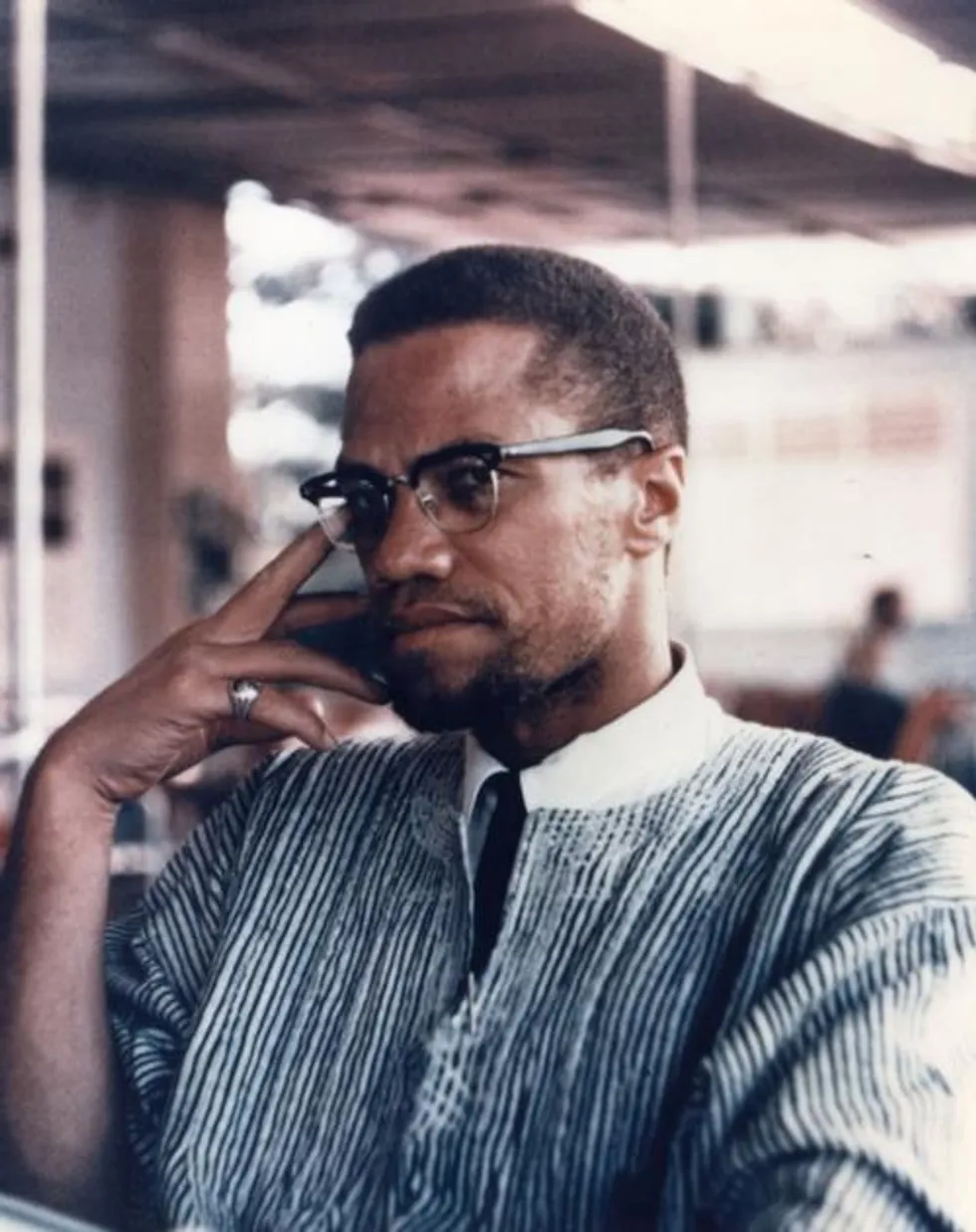
New Beginnings & Perspectives
Following his departure from the Nation, Malcolm ruminated about his next endeavor. Malcolm X founded Muslim Mosque, Inc. (MMI), a religious organization, and the Organization of Afro-American Unity (OAAU), a secular group that espoused Pan-Africanism. On March 26, 1964, he transiently met Martin Luther King Jr. for the first and only time—and only long enough for photographs to be taken—in Washington, D.C., as both men attended the Senate's debate on the Civil Rights bill at the US Capitol building. In the weeks after he left the Nation of Islam, several Sunni Muslims exhorted Malcolm X to learn about Orthodox Islam. In an attempt to achieve this goal, Malcolm embarked on a Pilgrimage to Mecca.
Life After the Nation of Islam
Following his departure from the Nation, Malcolm ruminated about his next endeavor. Malcolm X founded Muslim Mosque, Inc. (MMI), a religious organization, and the Organization of Afro-American Unity (OAAU), a secular group that espoused Pan-Africanism. On March 26, 1964, he transiently met Martin Luther King Jr.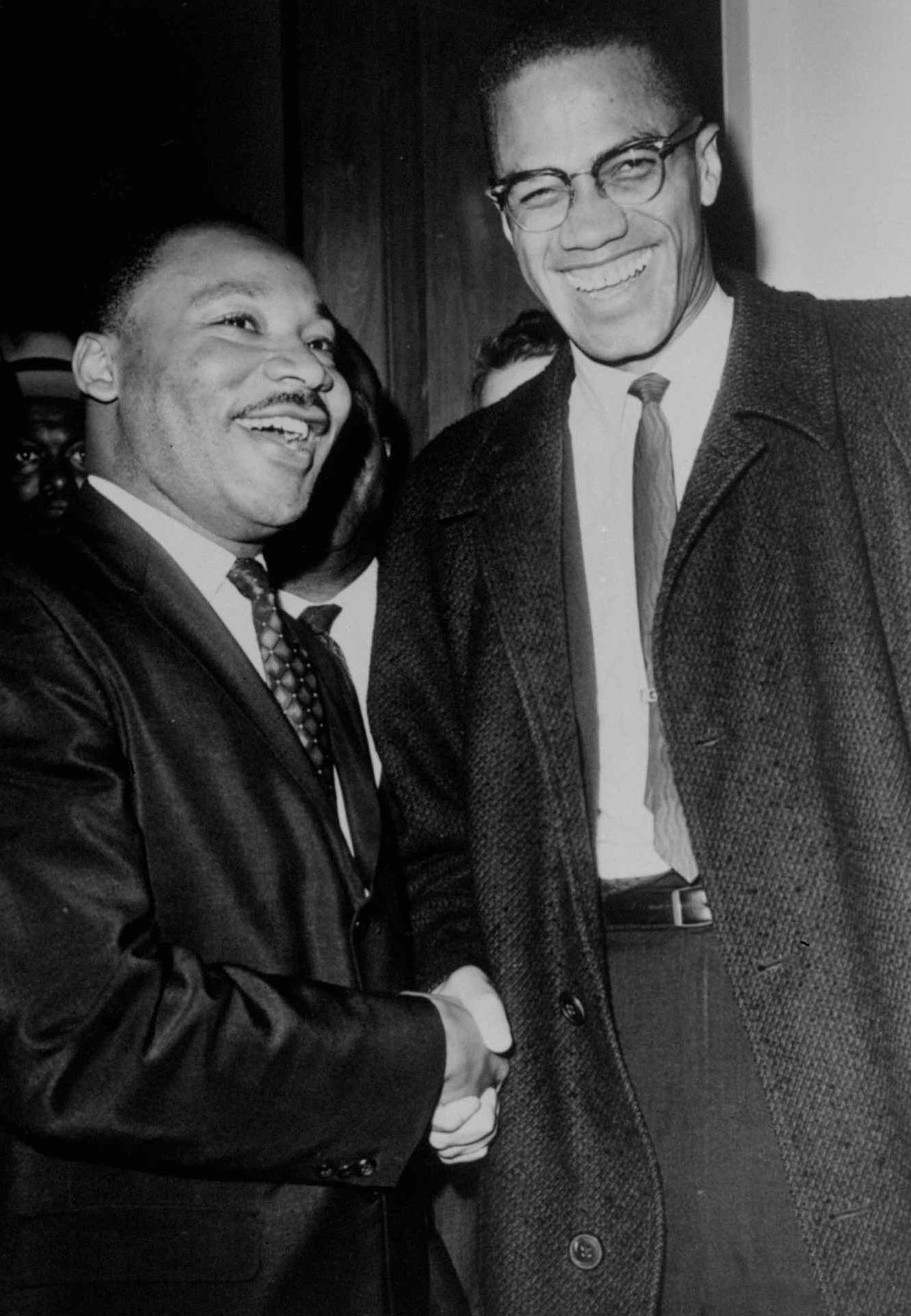 for the first and only time—and only long enough for photographs to be taken—in Washington, D.C., as both men attended the Senate's debate on the Civil Rights bill at the US Capitol building. In the weeks after he left the Nation of Islam, several Sunni Muslims exhorted Malcolm X to learn about Orthodox Islam. In an attempt to achieve this goal, Malcolm embarked on a Pilgrimage to Mecca
Pilgrimage to Mecca
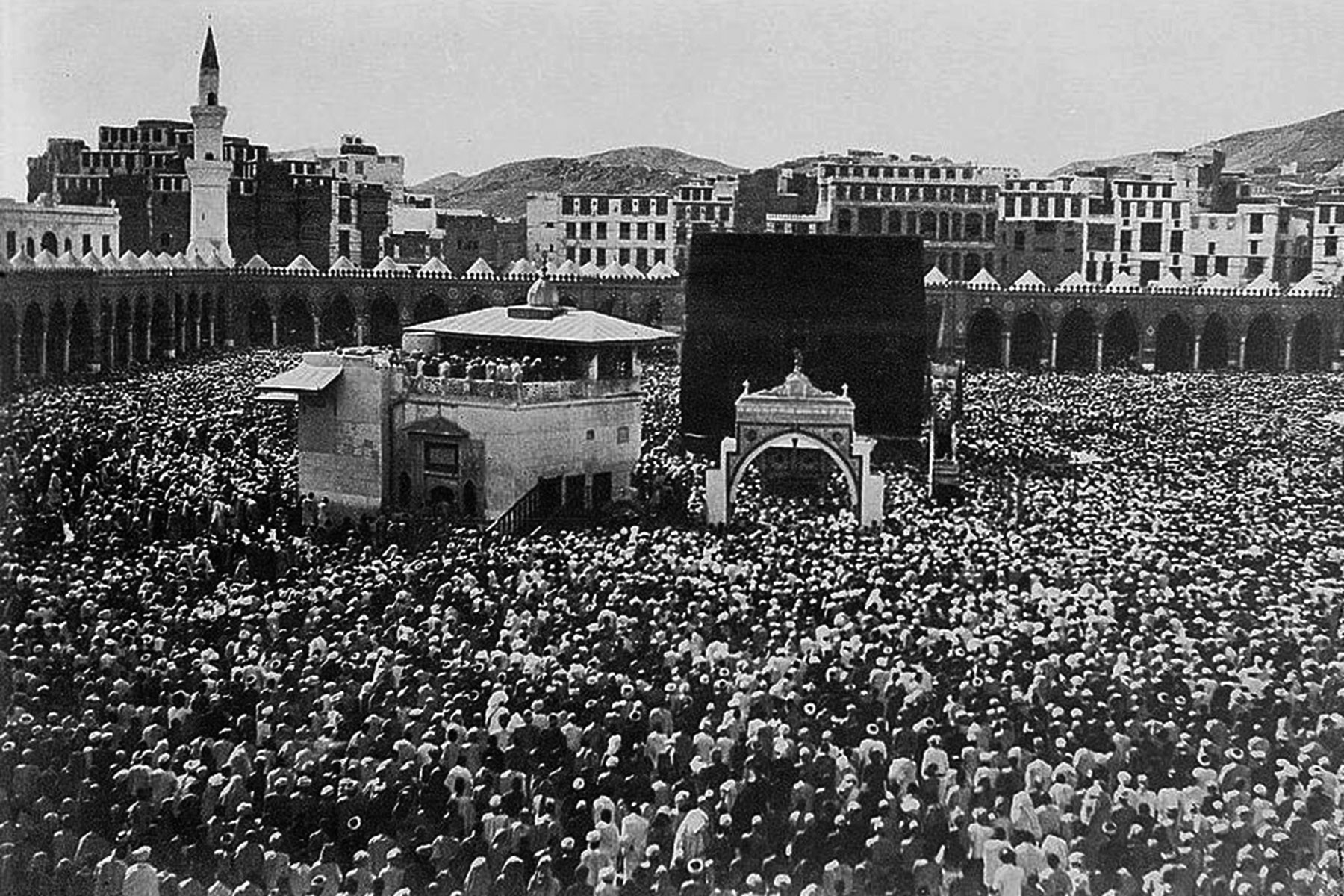
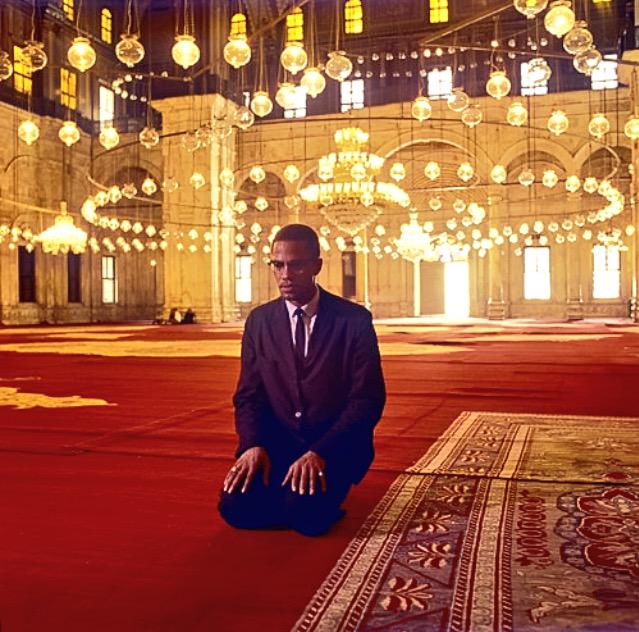
In April 1964, with financial assistance from his half-sister Ella Little-Collins, Malcolm X flew to Jeddah, Saudi Arabia, to preface the Hajj, the pilgrimage to Mecca obligatory for every Muslim who is able to do so. He was delayed in Jeddah when his U.S. citizenship and inability to speak Arabic caused his status as a Muslim to be questioned at the Muslim High Court. He had received Abdul Rahman Hassan Azzam's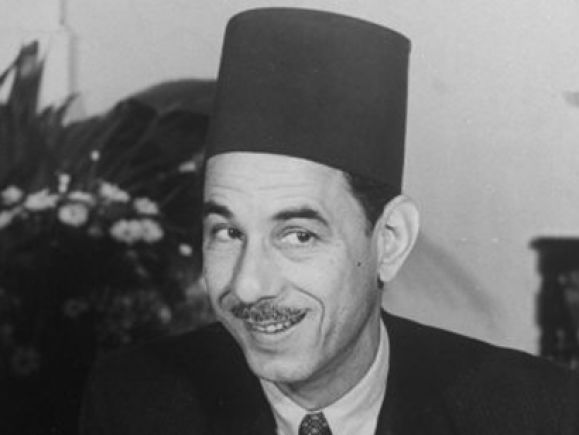 book The Eternal Message of Muhammad with his visa approval, and he contacted the author. Azzam's son arranged for his release and lent him his personal hotel suite. The next morning Malcolm X learned that Prince Faisal had designated him as a state guest. Several days later, after completing the Hajj rituals, Malcolm X had an audience with the prince.
Malcolm X later said that seeing Muslims of "all colors, from blue-eyed blonds to Black-skinned Africans," interacting as equals led him to see Islam as a means by which racial problems could be overcome. He renounced the former sepratist idealogy that he adopted from the Nation, which asserted a generalization that all white people were inherently evil, “true Islam has shown me that a blanket indictment of all white people is as wrong as when whites make blanket indictments against blacks.”
Travel Abroad
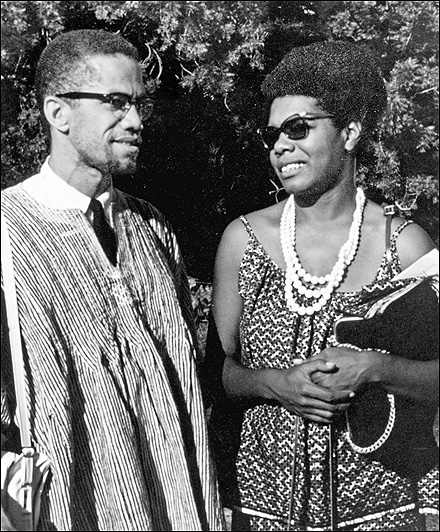
Malcolm had already gotten the opportunity to visit Africa prior to the Hajj Pilgrimage, however, the purpose of his visit was to prepare a tour of Africa for Elijah Muhammad in 1959. Subsequently, after his trip to Mecca in 1964, Malcolm visited Africa for a second time. He returned to the United States in late May and flew to Africa again in July. During his visit, he conversed with African diplomats and officials, gave interviews, and spoke on radio stations and television in Egypt, Ethiopia, Tanganyika, Nigeria, Ghana, Guinea, Sudan, Senegal, Liberia, Algeria, and Morocco. While in Cairo, Egypt, Malcolm attended the second meeting of the Organization of African Unity as a representative of the OAAU. By the end of the meeting, Malcolm in essence had met with all the eminent leaders of Africa. Kwame Nkrumah of Ghana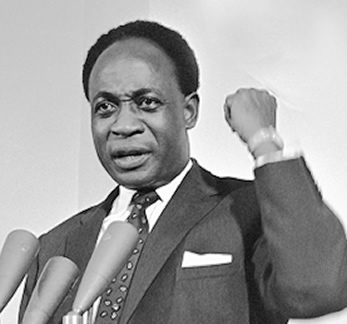 , Gamal Abdel Nasser of Egypt
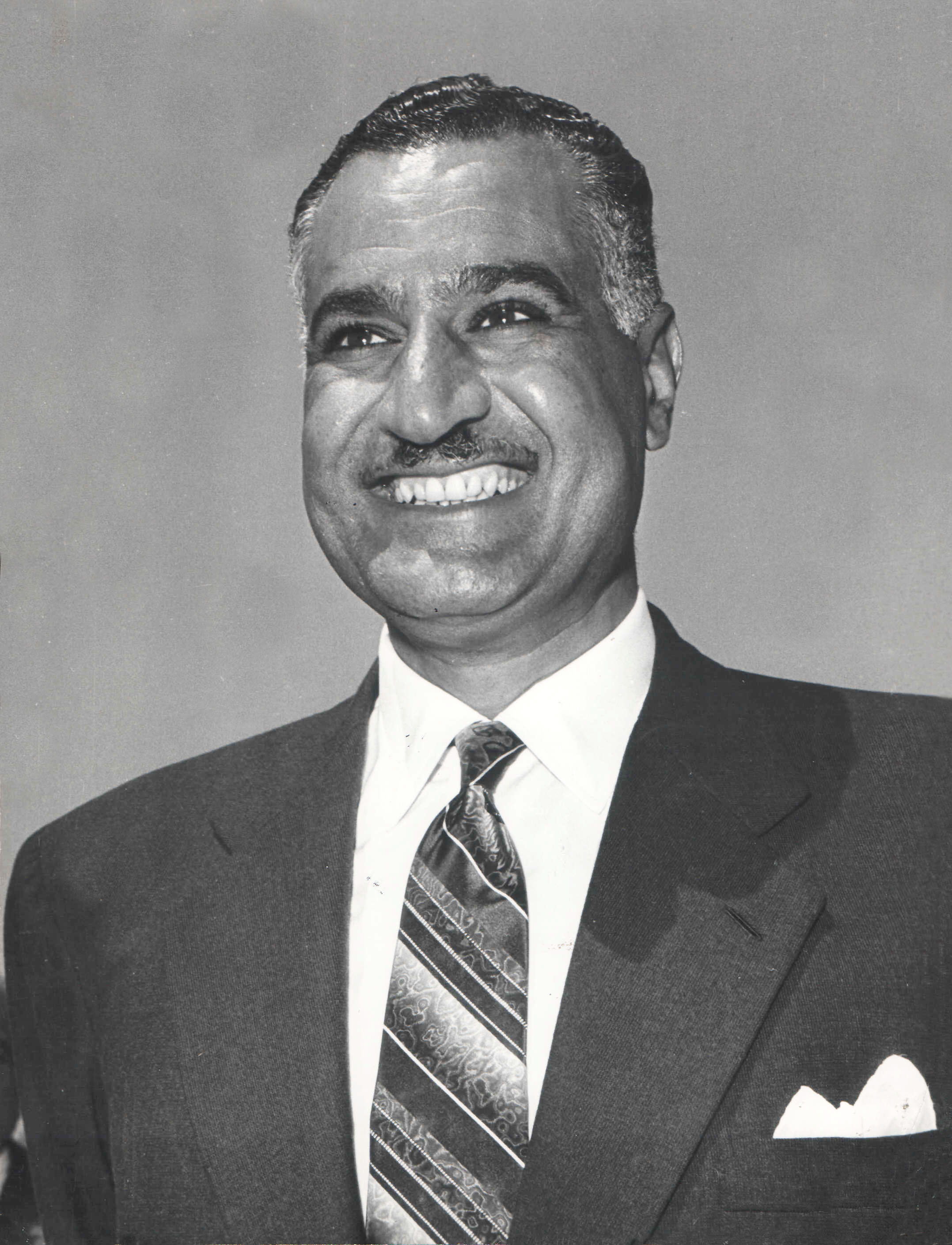 , and Ahmed Ben Bella of Algeria
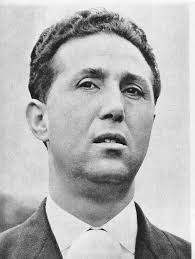 had all solicited Malcolm X to serve in their governments. Following a harangue at the University of Ibadan, the Nigerian Muslim Students Association bestowed on him the honorary Yoruba name Omowale ('the son who has come home’). He later called this his most treasured honor.
Return To America
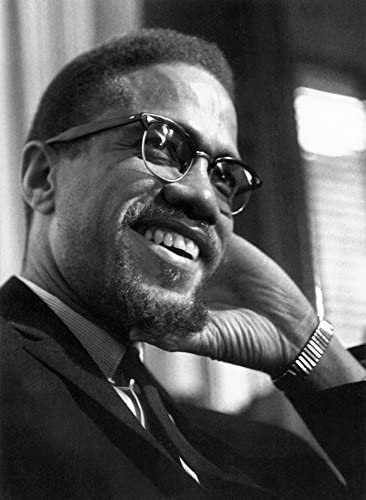
Upon his return to America, Malcolm spoke to a broad variety of audiences. He spoke frequently at the MMI and OAAU meetings. Furthermore, he was the most sought after speaker to come speak on college campuses nationwide. Malcolm’s top aide at the time affirmed this later stating the “welcomed every opportunity to speak to college students.” He also addressed public meetings of the Socialist Workers Party, speaking at their Militant Labor Forum.
Final Years & Legacy
Throughout 1964, tensions between Malcolm and the Nation intensified, he was threatened frequently. In February a minister of temple number 7 ordered that Malcolm X’s car be wired, so upon ignition of the vehicle it would detonate. The individual tasked with executing this heinous deed was heavily conflicted and revealed it to Malcolm...
Death Threats and intimidation from the Nation of Islam
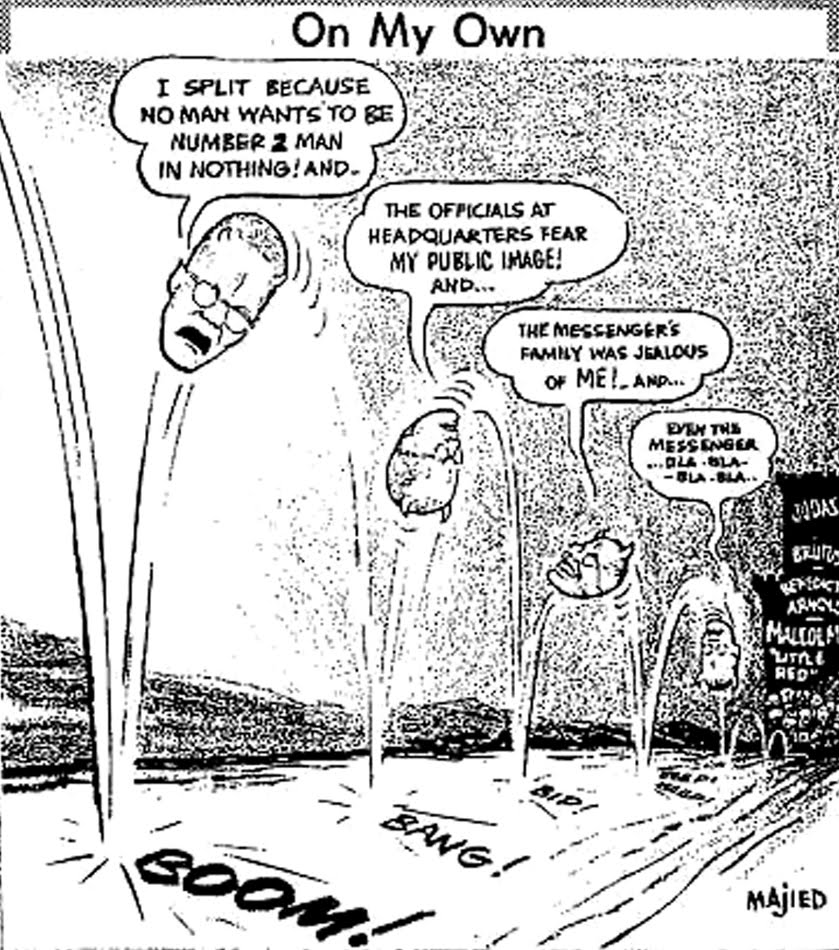
Throughout 1964, tensions between Malcolm and the Nation intensified, he was threatened frequently. In February a minister of temple number 7 ordered that Malcolm X’s car be wired, so upon ignition of the vehicle it would detonate. The individual tasked with executing this heinous deed was heavily conflicted and revealed it to Malcolm. In March, Muhammad told Boston minister Louis X (later known as Louis Farrakhan) that "hypocrites like Malcolm should have their heads cut off"; the April 10 edition of Muhammad Speaks featured a cartoon depicting Malcolm X's bouncing, severed head.
On June 8, FBI surveillance recorded a phone call in which Betty Shabazz was told that her husband was "good as dead." Moreover, the Nation sued Malcolm attempting to reclaim his residence in East Elmhurst, Queens, New York. His family was ordered to vacate but on February 14, 1965—the night before a hearing on postponing the eviction—the house was destroyed by fire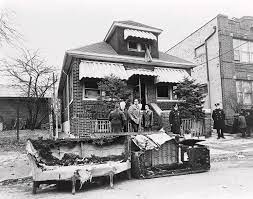 . On July 9, Muhammad aid John Ali said in reference to Malcolm that "Anyone who opposes the Honorable Elijah Muhammad puts their life in jeopardy".In the December 4 issue of Muhammad Speaks, Louis X wrote that "such a man as Malcolm is worthy of death." The September 1964 issue of Ebony dramatized Malcolm X's defiance of these threats by promulgating a photograph of him holding an M1 carbine while peering out a window
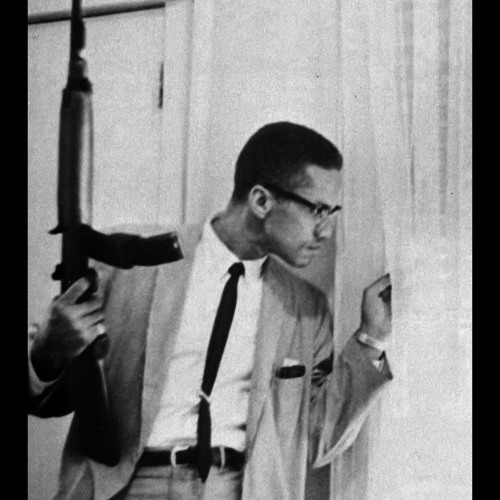 .
.
Assassination
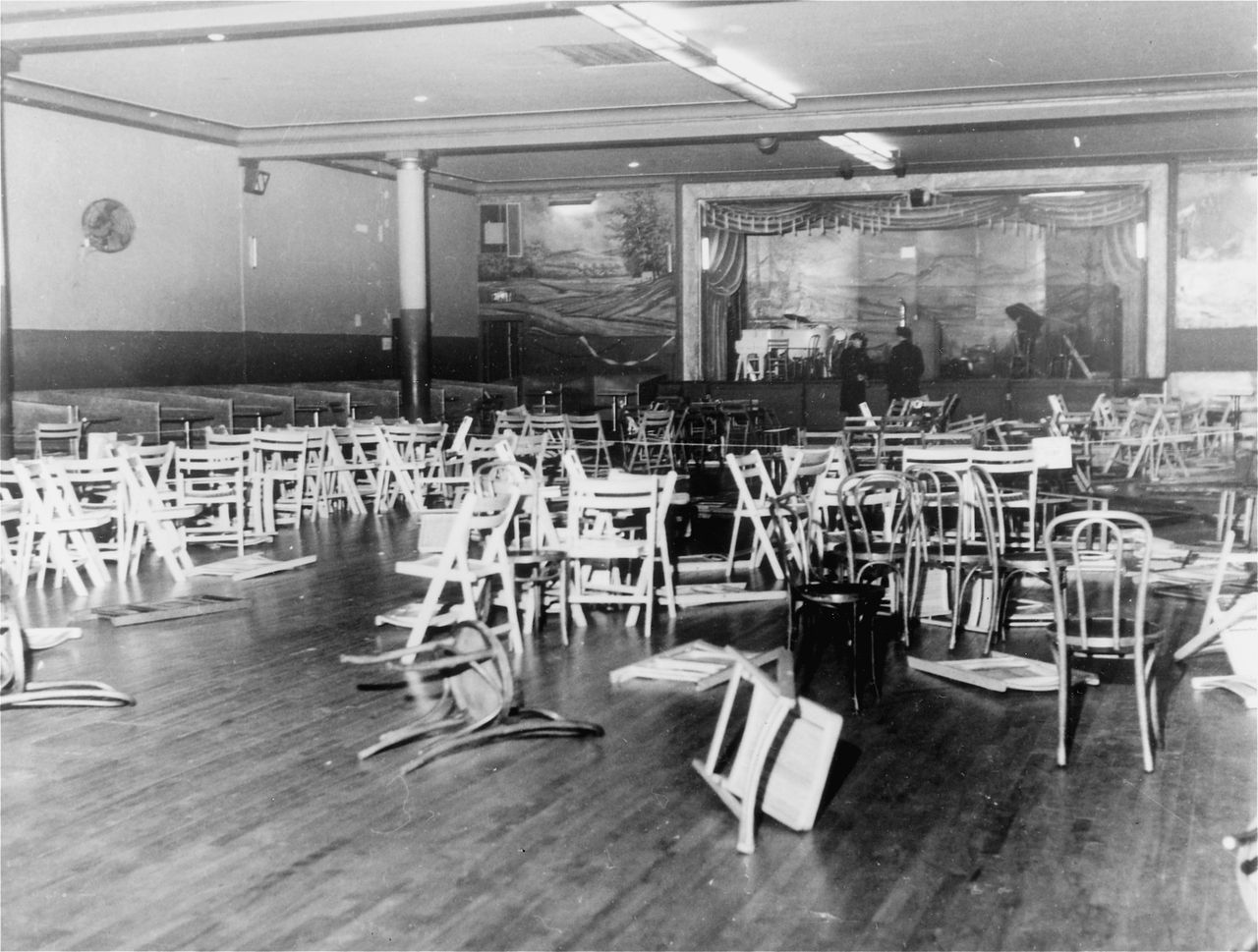
On February 19, 1965, Malcolm X told interviewer Gordon Parks that the Nation of Islam was actively trying to kill him. On February 21, 1965, he was preparing to address the OAAU in Manhattan's Audubon Ballroom when someone in the 400-person audience yelled, "Nigger! Get your hand outta my pocket!". As Malcolm X and his bodyguards tried to mitigate the disturbance, a man rushed forward and shot him once in the chest with a sawed-off shotgun and two other men charged the stage firing semi-automatic handguns. Malcolm X was pronounced dead at 3:30 pm, shortly after arriving at Columbia Presbyterian Hospital. The autopsy identified 21 gunshot wounds to the chest, left shoulder, arms and legs, including ten buckshot wounds from the initial shotgun blast.
One gunman, Nation of Islam member Talmadge Hayer (also known as Thomas Hagan), was beaten by the crowd before police arrived. Witnesses identified the other gunmen as Nation members Norman 3X Butler and Thomas 15X Johnson. All three were convicted of murder in March 1966 and sentenced to life in prison. At trial, Hayer confessed, but refused to identify the other assailants except to assert that they were not Butler and Johnson. In 1977 and 1978, he signed affidavits reasserting Butler's and Johnson's innocence, naming four other Nation members of Newark's Mosque No. 25 as participants in the murder or its planning, however these affidavits did not result in the case being reopened. In 2021, Muhammad Abdul Aziz and Khalil Islam (formerly Norman 3X Butler and Thomas 15X Johnson) were exonerated from their murder convictions, following a review that found the FBI and the New York Police Department withheld key evidence during the trial. On July 14, 2022, Aziz filed suit in the U.S. District Court in Brooklyn against the City of New York, seeking $40 million in damages related to his wrongful imprisonment.
Funeral
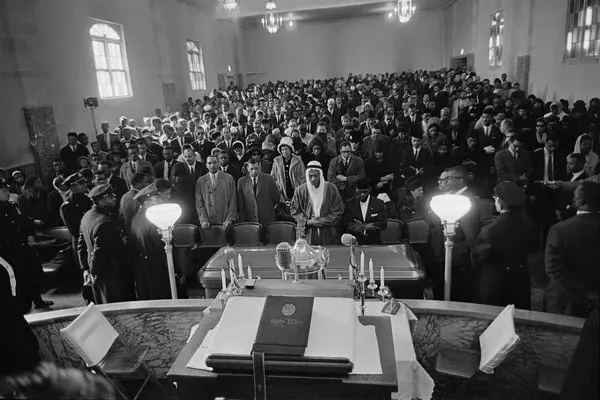
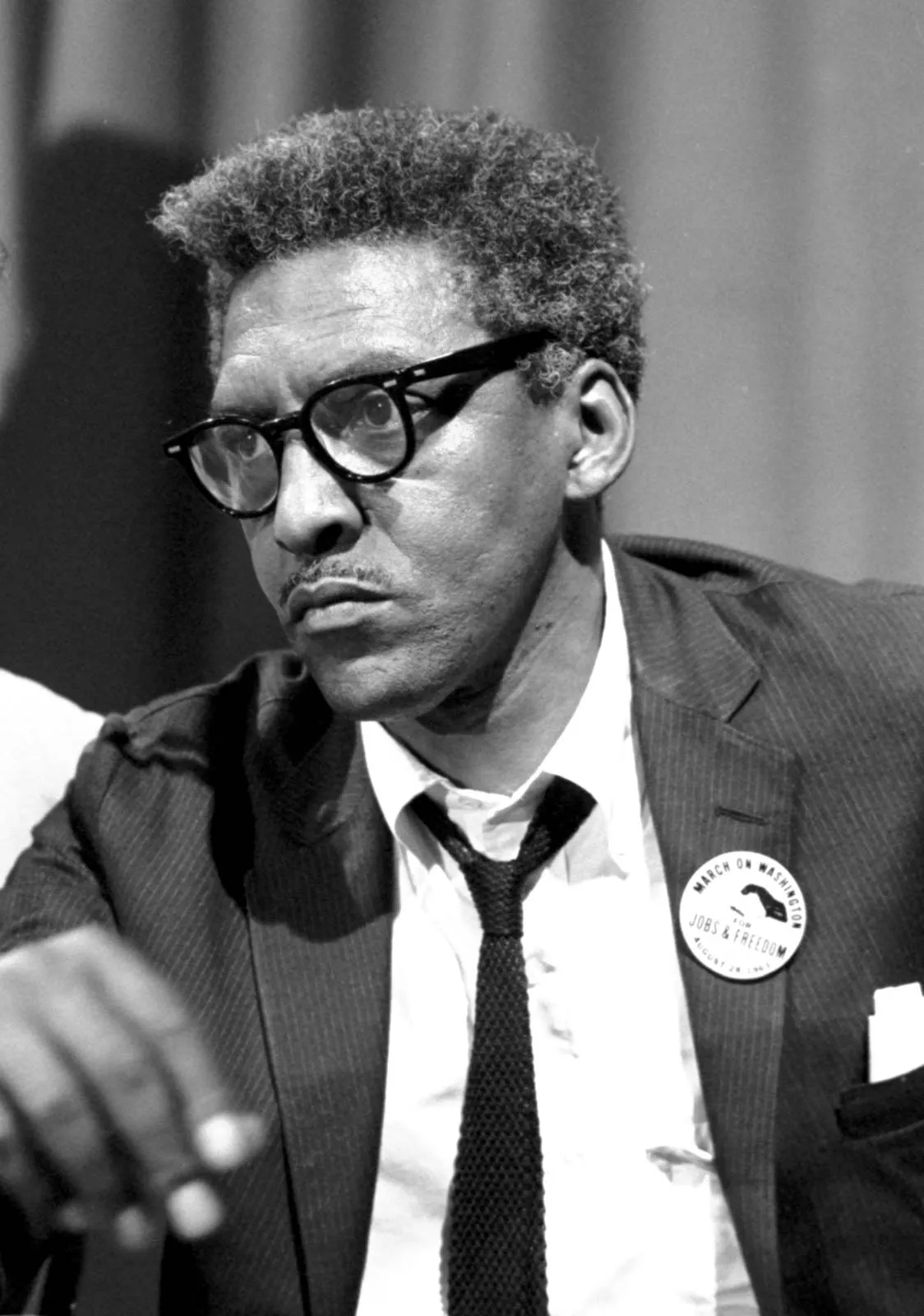
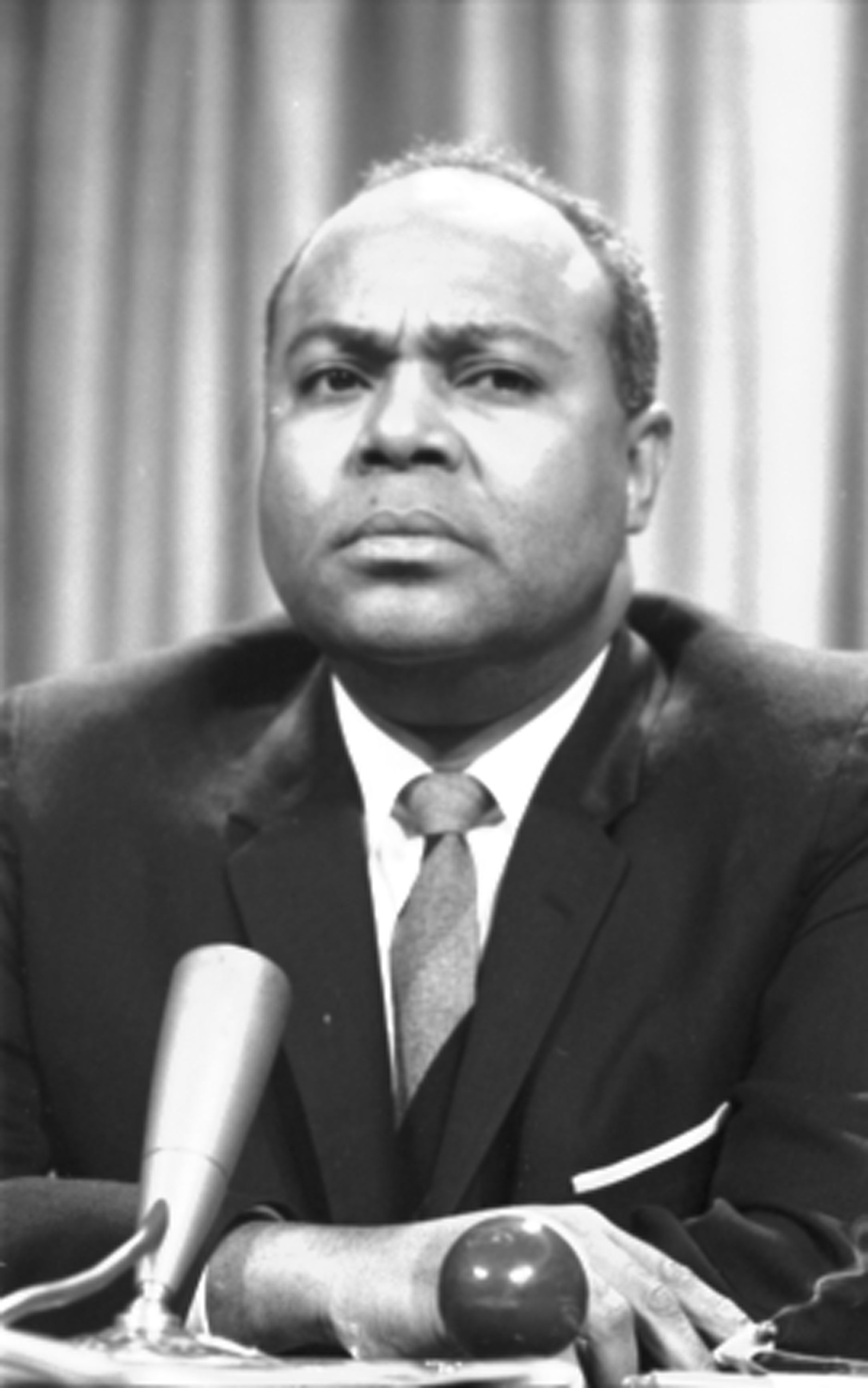
The public viewing, February 23–26 at Unity Funeral Home in Harlem, was attended by some 14,000 to 30,000 mourners. For the funeral on February 27, loudspeakers were set up for the overflow crowd outside Harlem's thousand-seat Faith Temple of the Church of God in Christ, and a local television station carried the service live. Among the crowd of mourners included notable civil rights leaders such as: John Lewis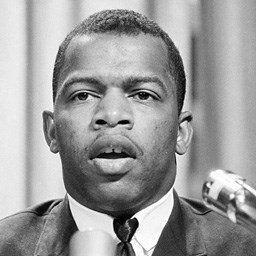 , Bayard Rustin
 , James Forman
 , James Farmer
 , Jesse Gray
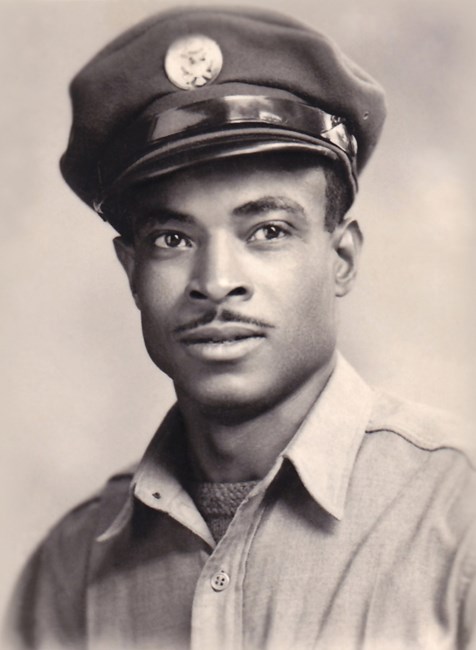 , and Andrew Young
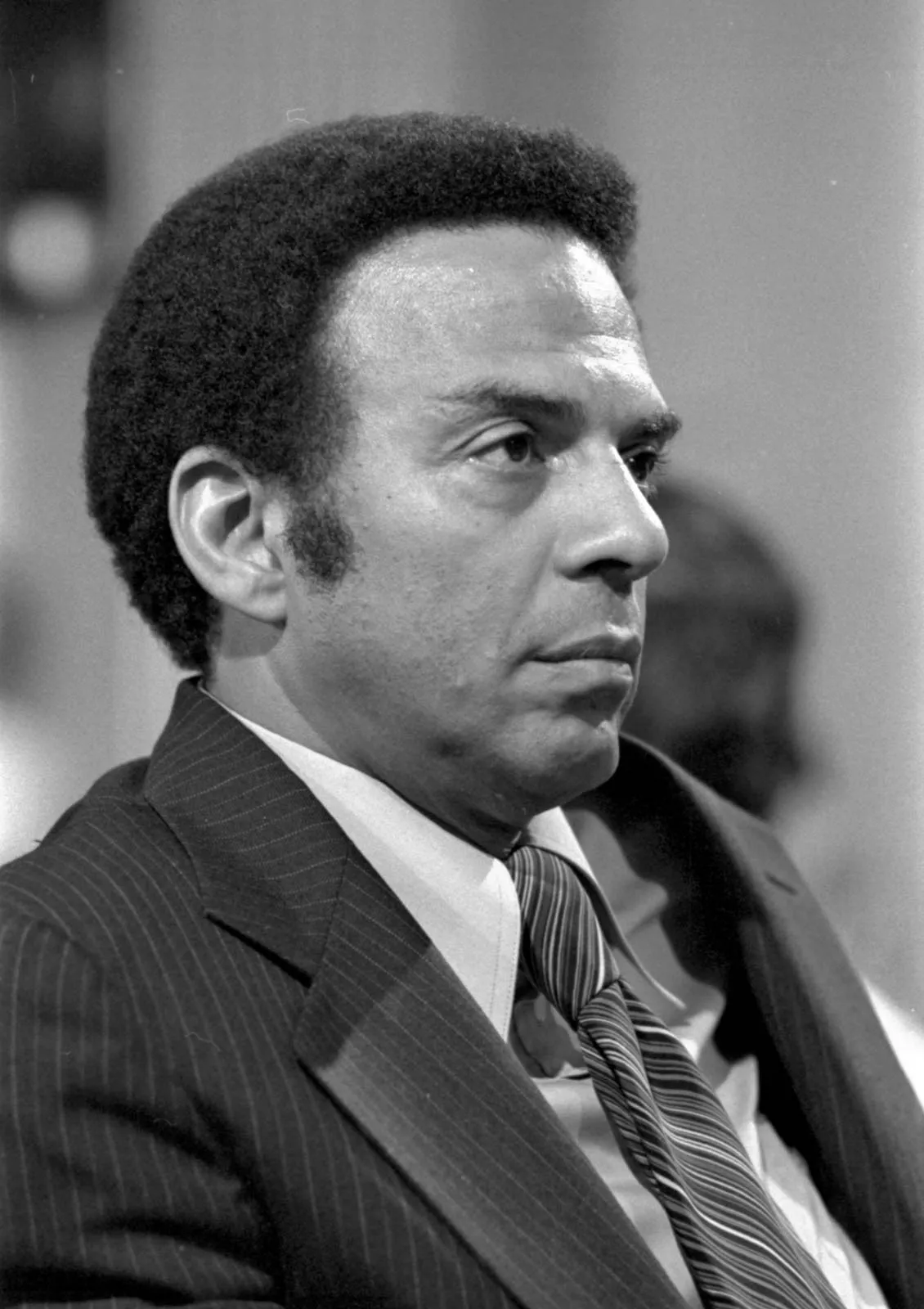 . Actor and activist Ossie Davis
 delivered the eulogy, describing Malcolm X as "our shining Black prince ... who didn't hesitate to die because he loved us so":
There are those who will consider it their duty, as friends of the Negro people, to tell us to revile him, to flee, even from the presence of his memory, to save ourselves by writing him out of the history of our turbulent times. Many will ask what Harlem finds to honor in this stormy, controversial and bold young captain—and we will smile. Many will say turn away—away from this man, for he is not a man but a demon, a monster, a subverter and an enemy of the Black man—and we will smile. They will say that he is of hate—a fanatic, a racist—who can only bring evil to the cause for which you struggle! And we will answer and say to them: Did you ever talk to Brother Malcolm? Did you ever touch him, or have him smile at you? Did you ever really listen to him? Did he ever do a mean thing? Was he ever himself associated with violence or any public disturbance? For if you did you would know him. And if you knew him you would know why we must honor him.... And, in honoring him, we honor the best in ourselves
Legacy
Malcolm X epitomized an individual who radically reformed themselves. In his former life, running the streets of Boston and Harlem he became a product of his environment. Assimilating to the unscrupulous and immoral world of the hustler, however, upon being introduced to the Nation of Islam and its transformational program Malcolm was willing to denounce his wicked ways. Moreover, he became one of the most outspoken, articulate, courageous, and influential leaders of all time. Malcolm vehemently believed in the philosophy and program of the Nation of Islam as an indispensable conduit of change within the African American community. This unwavering belief compelled him to commit fully to the African American struggle; although misunderstood by many, often times being labeled a “demagogue”, “teacher of hate”, “violence-seeker”, and “black supremacist” this never deterred him from his purpose.
Following his departure from the Nation, Malcolm X embarked on a trip to Mecca. During his travel abroad, Malcolm for the first time witnessed a multitude of races coming together in “genuine brotherhood” with the rationale of fulfilling the obligatory Hajj pilgrimage. Consequently, Malcolm X’s perspective changed; he renounced one of the foundational ideologies within the Nation of Islam that asserted the innate wicked nature of all white people. He no longer viewed people primarily through a lens of race but through a lens of humanity. This paradigm shift led him to become an advocate for human rights. Malcolm X wanted to rid America of her racist ills, African Americans had been denied not only their civil rights but also their human rights. It is to this end that Malcolm X fought so gallantly, envisioning a society in which African Americans were not denied the right to be what they inherently are-human beings. His martyrdom, ideas, and speeches contributed to the conception of Black nationalist ideology and the Black Power movement and helped to promulgate the values of autonomy and independence among African Americans in the 1960s and ’70s.